Global Japanese Sushi Rolls
Highlighted under: International Recipes
I love making sushi rolls at home because it combines creativity with deliciousness. Each roll can be tailored to fit any flavor preference, allowing me to incorporate fresh ingredients that I adore. The moment I take a bite, the harmony of flavors and textures comes together beautifully. Plus, rolling sushi is a fun activity for gatherings, and everyone can join in. With a few simple steps and some practice, anyone can make these delightful rolls that are perfect for sharing or enjoying solo.
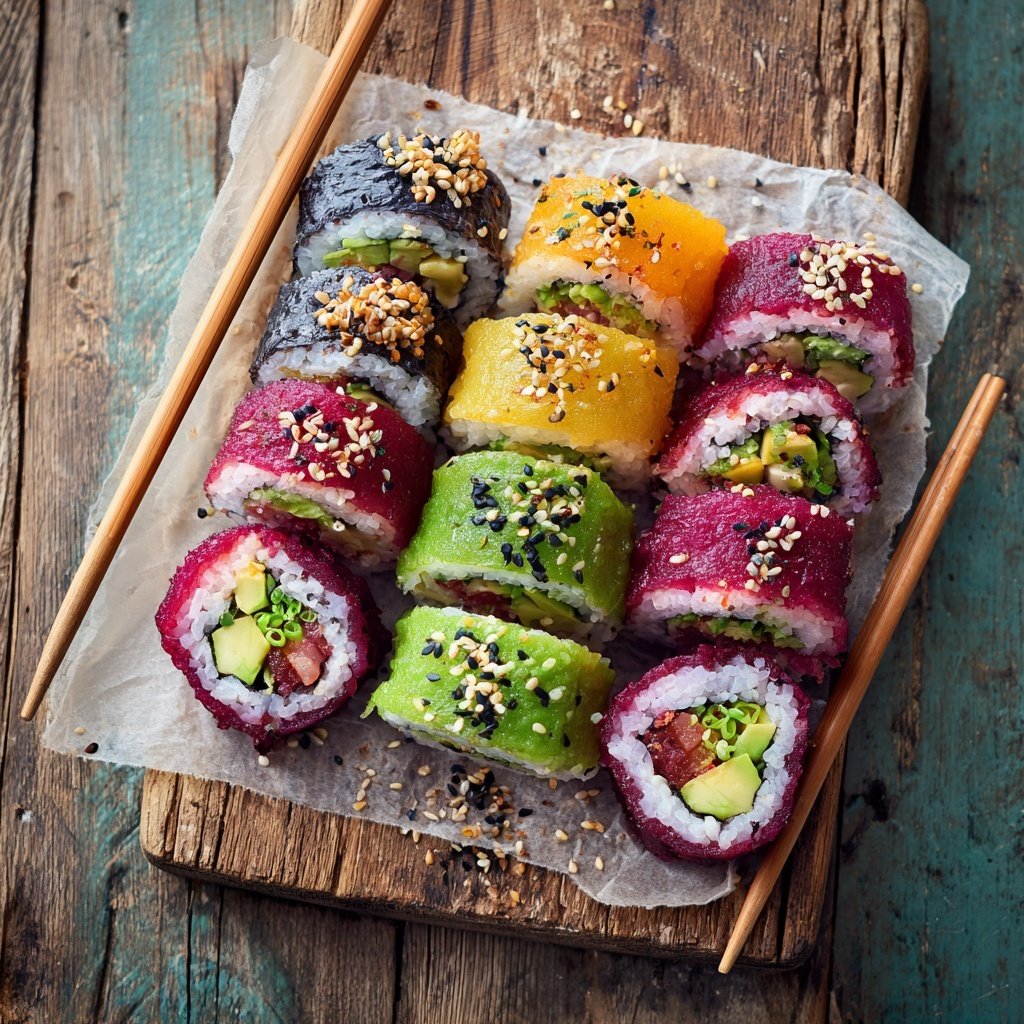
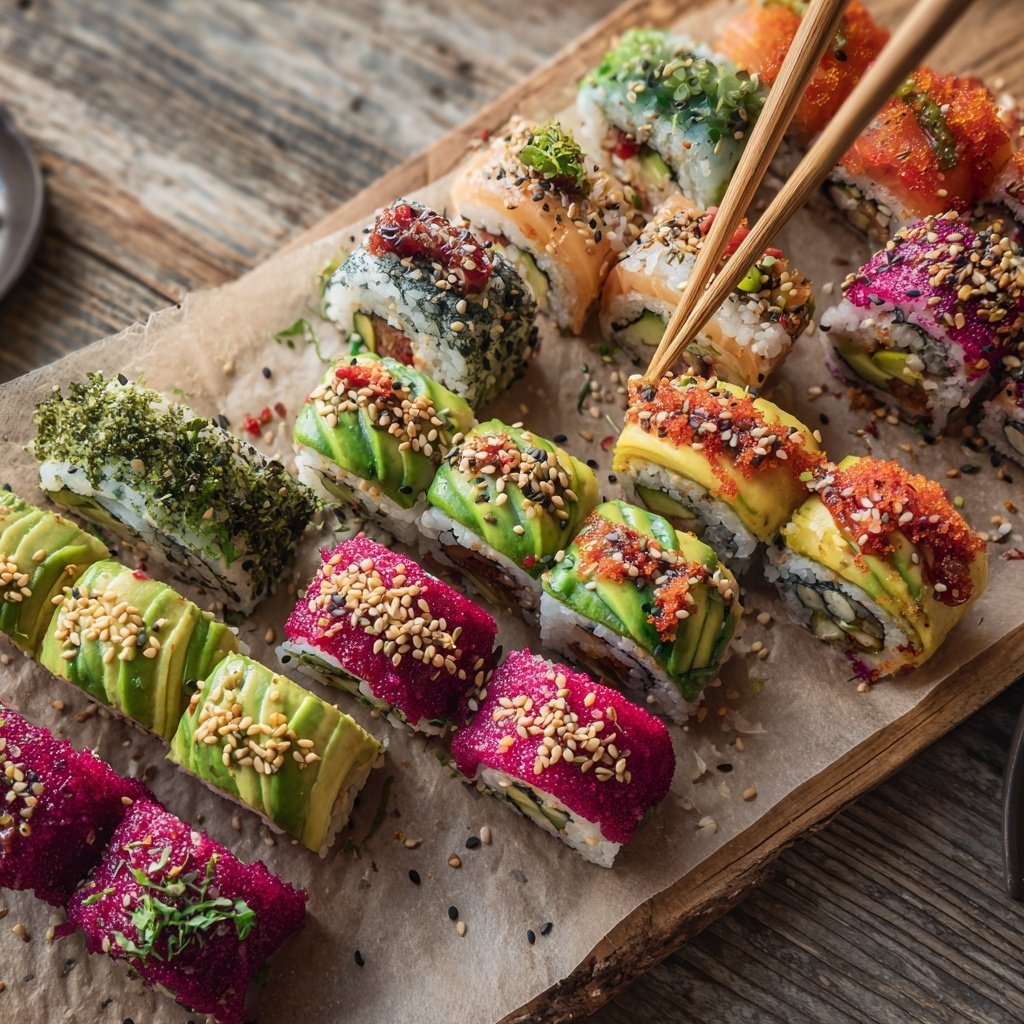
When I first attempted sushi-making, I was a bit overwhelmed, but it quickly became one of my favorite culinary adventures. The trick is to have all your ingredients prepped before you start rolling; this makes the process smooth and enjoyable. I've found that using high-quality sushi rice is key to achieving that perfect sticky texture.
Another tip I learned is to let the rolls rest for a few minutes before slicing them. This helps the ingredients settle down, ensuring cleaner cuts. With practice, I've moved from simple rolls to more adventurous fillings, making my sushi nights a hit among friends and family!
Why You'll Love These Sushi Rolls
- Customizable to suit individual tastes
- Fresh and healthy ingredients with a unique flavor
- Fun and interactive cooking experience with family or friends
Perfecting Your Sushi Rice
The key to great sushi rolls begins with the sushi rice. Rinsing is crucial as it removes excess starch and ensures a lighter, fluffier texture. After rinsing, it's important to use a good-quality rice cooker for consistent results; the rice should cook until tender and slightly sticky, which helps the rolls hold together during assembly.
Once the rice is cooked, the seasoning plays a significant role. Heating the vinegar, sugar, and salt mixture until dissolved allows the flavors to meld beautifully. Fold the mixture gently into the rice with a spatula—overmixing can lead to mushy rice. Allow the rice to cool to just above room temperature before assembling your sushi for the best texture.
Choosing Your Fillings
Your choice of fillings can elevate your sushi rolls to a whole new level. For instance, ripe avocado adds a creamy texture that contrasts well with crisp cucumber, while shrimp provides a delicate sweetness. If you're looking for a vegetarian option, replace the shrimp with marinated tofu or seasonal vegetables like bell peppers and asparagus for a fresh taste.
Cream cheese in sushi rolls is not traditional, but it contributes a rich, tangy flavor that many find appealing. Feel free to experiment with different types of cheese, such as a flavored cream cheese, or even nut-based cheese for a dairy-free twist. Remember to balance flavors and textures to create an enjoyable bite.
Tips for Rolling and Serving
When rolling sushi, using a bamboo mat is essential for a tight roll and even pressure. Start rolling with your fingers positioned just above the fillings, applying gentle but firm pressure as you roll away from you. If you find the nori tearing, it may need to be fresher; look for sheets that are crisp and dark green, avoiding those that are dull or brittle.
For serving, arranging your sushi on a platter can impress your guests. You can garnish with sesame seeds or thinly sliced radishes for color. Pairing your sushi rolls with a small dish of soy sauce offers the perfect accompaniment. Consider adding a sprinkle of wasabi for an extra kick, but be cautious since it can overpower delicate flavors.
Ingredients
Ingredients
Gather these to create your sushi rolls.
Sushi Essentials
- 2 cups sushi rice
- 2 1/2 cups water
- 1/4 cup rice vinegar
- 2 tbsp sugar
- 1 tsp salt
- Nori sheets
Filling Options
- 1 avocado, sliced
- 1 cucumber, julienned
- 200g cooked shrimp, sliced
- 100g cream cheese, cut into strips
- Pickled ginger and wasabi for serving
Instructions
Instructions
Follow these steps to roll your sushi perfectly.
Prepare the Sushi Rice
Rinse the sushi rice under cold water until the water runs clear. In a rice cooker, add the rice and water, then cook according to the manufacturer's instructions. Once cooked, mix rice vinegar, sugar, and salt in a small bowl and heat until dissolved. Fold this mixture into the rice and let it cool.
Assemble the Roll
Place a bamboo mat on a flat surface and cover it with plastic wrap. Lay a nori sheet, shiny side down, on the mat. With wet hands, spread a thin layer of rice over the nori, leaving about 1 inch at the top. Arrange your desired fillings along the bottom edge.
Roll it Up
Using the bamboo mat, carefully roll the sushi away from you, pressing gently but firmly. Once rolled, use a sharp knife to slice the roll into bite-sized pieces. Repeat with remaining ingredients.
Serve
Arrange the sushi rolls on a platter and serve with pickled ginger, wasabi, and soy sauce.
Pro Tips
- Experiment with various fillings and sauces to find your favorite combination!
Ingredient Substitutions
If you don’t have sushi rice on hand, short-grain rice can be used as an alternative, but it won’t have the same sticky quality that holds the rolls together well. To replicate sushi rice flavor, consider adding a bit of rice vinegar during cooking, though the texture might not be perfect.
Vegans can easily adapt this recipe by swapping shrimp with grilled bell pepper strips or avocado. For an extra protein boost, try replacing shrimp with edamame. Additionally, you can use vegan cream cheese made from nuts or tofu to maintain the richness without using dairy.
Make-Ahead and Storage
Sushi rice can be made a day ahead and stored in an airtight container in the refrigerator. When ready to use, simply bring it back to room temperature, as cold rice doesn't roll well and loses its palatability. Avoid moisture buildup by not sealing the container too tightly.
Assembled sushi rolls are best eaten fresh, but if you have leftovers, store them in the refrigerator wrapped in plastic wrap. They will be best consumed within 24 hours. If you anticipate leftovers, consider rolling smaller portions that can be easily enjoyed later, while preserving freshness.
Troubleshooting Common Issues
If your sushi rolls fall apart during slicing, it may be due to too much filling or the rice not being sticky enough. To remedy this, reduce the amount of filling or ensure the rice mixture is well seasoned and cooled properly before rolling.
For uneven rolls, practice makes perfect. Make sure you're applying even pressure while rolling, and don’t rush the process. If the nori is too hard to work with or is cracking, it may help to slightly dampen it with water, making it more pliable without losing its structure.
Questions About Recipes
→ Can I use regular rice instead of sushi rice?
No, sushi rice is sticky and helps the rolls hold together, unlike regular rice.
→ How can I make vegetarian sushi?
You can substitute the seafood with a variety of vegetables like bell peppers, carrots, or tofu.
→ Can I prepare sushi rolls in advance?
It's best to prepare sushi rolls fresh, but you can pre-cut the ingredients a few hours before serving.
→ What dipping sauces go well with sushi?
Soy sauce is the classic choice, but you can also try spicy mayo or eel sauce for added flavors.
Global Japanese Sushi Rolls
Created by: The Chefivancooks Team
Recipe Type: International Recipes
Skill Level: Intermediate
Final Quantity: 4 rolls
What You'll Need
Sushi Essentials
- 2 cups sushi rice
- 2 1/2 cups water
- 1/4 cup rice vinegar
- 2 tbsp sugar
- 1 tsp salt
- Nori sheets
Filling Options
- 1 avocado, sliced
- 1 cucumber, julienned
- 200g cooked shrimp, sliced
- 100g cream cheese, cut into strips
- Pickled ginger and wasabi for serving
How-To Steps
Rinse the sushi rice under cold water until the water runs clear. In a rice cooker, add the rice and water, then cook according to the manufacturer's instructions. Once cooked, mix rice vinegar, sugar, and salt in a small bowl and heat until dissolved. Fold this mixture into the rice and let it cool.
Place a bamboo mat on a flat surface and cover it with plastic wrap. Lay a nori sheet, shiny side down, on the mat. With wet hands, spread a thin layer of rice over the nori, leaving about 1 inch at the top. Arrange your desired fillings along the bottom edge.
Using the bamboo mat, carefully roll the sushi away from you, pressing gently but firmly. Once rolled, use a sharp knife to slice the roll into bite-sized pieces. Repeat with remaining ingredients.
Arrange the sushi rolls on a platter and serve with pickled ginger, wasabi, and soy sauce.
Extra Tips
- Experiment with various fillings and sauces to find your favorite combination!
Nutritional Breakdown (Per Serving)
- Calories: 250 kcal
- Total Fat: 7g
- Saturated Fat: 1g
- Cholesterol: 50mg
- Sodium: 300mg
- Total Carbohydrates: 40g
- Dietary Fiber: 2g
- Sugars: 1g
- Protein: 6g